-


Voici le 79e épisode de Quantum, le podcast qui fait le point sur l’actualité scientifique, technologique et économique de l’écosystème quantique en France et dans le monde. Toujours en votre compagnie et avec celle de Fanny Bouton d’OVHcloud.
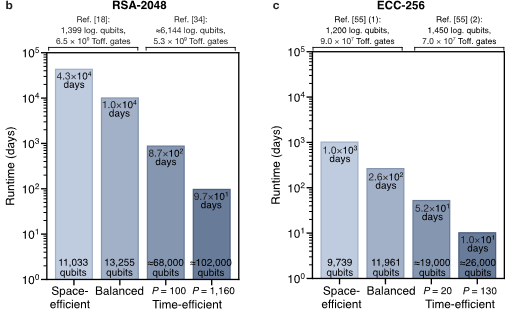
Au menu, l’APS Global Summit, de la chimie quantique, du machine learning quantique, de la correction d’erreur et du FTQC, IBM, Pasqal, et encore plein d’autres news. Et surtout pas mal d’informations et analyses concernant la cybersécurité et le cassage de clés RSA et ECC par un futur ordinateur quantique et les conséquences sur les cryptos. Nous terminons avec quelques bullshits quantiques du mois ainsi qu’avec quelques poissons d’avril publiés sur arXiv qui valent leur pesant de cacahuètes.
Evénements
[...]
-
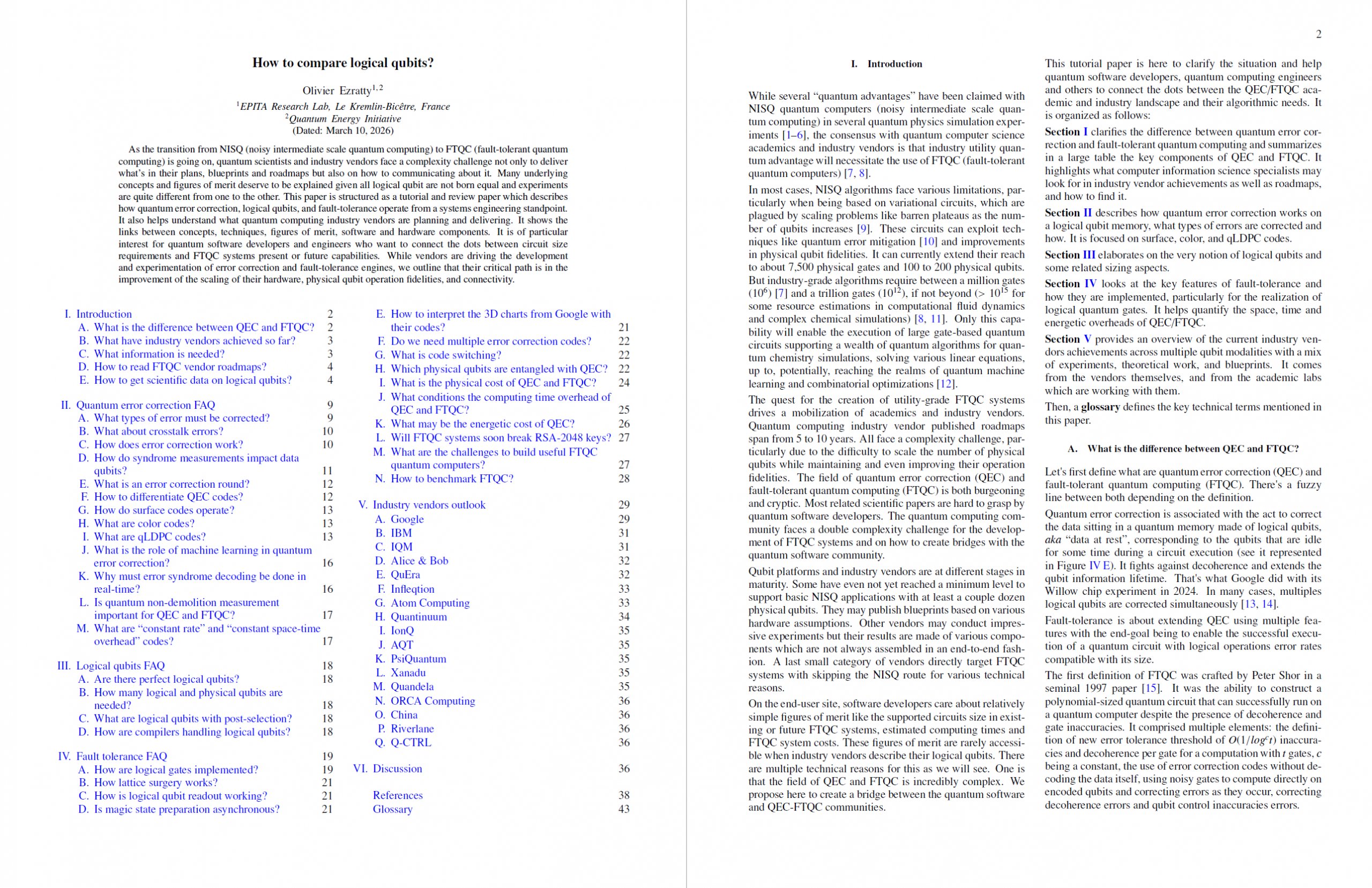
One 2026 quantum prediction is that it will to be the year when useful logical qubit based quantum computers will appear (dealt with prudently by Riverlane and Innovation Origins). In a sense, it would mark an irreversible transition from NISQ to FTQC.
Here, vendors face a complexity challenge not only to deliver what’s in their roadmaps but also when communicating about it. There are many underlying concepts and figures of merit that deserve to be explained. All vendors logical qubit are not born equal and are also not necessarily yet useful. To be so, they should support larger (much) quantum circuits than current NISQ quantum computers who are currently limited to about a thousand operations, and 5 to 6 thousands when using quantum error mitigation techniques.
[...]
-
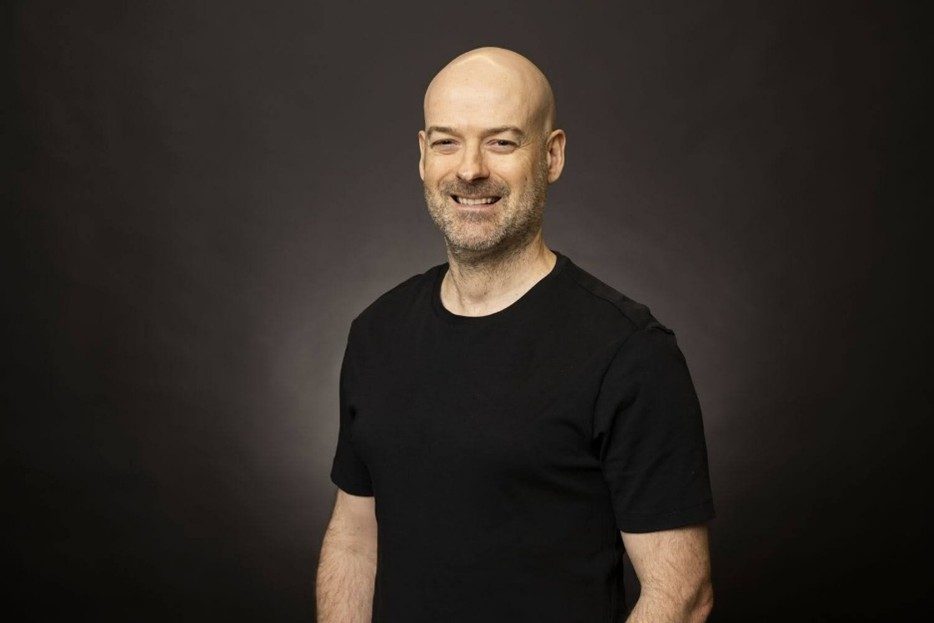
We are back after seven months of break. This is the 85th episode of Decode Quantum, with me, Olivier Ezratty, and Fanny Bouton.
In this new episode, we welcome Christian Weedbrook, the founder and CEO of Xanadu Quantum Technologies (Canada).
He is an Australian born physicist and entrepreneur based in Toronto, Canada. He has a PhD in physics from the University of Queensland, specializing in quantum information theory. He was a postdoc at the MIT and the University of Toronto. Initially, he went to a film school with the aspiration of becoming a director before returning to mathematics and science. He also explored several small-scale entrepreneurial projects including selling heat packs and trading at local flea markets. In 2014, he launched CipherQ, which was specialized in quantum security and cryptography, and he then created Xanadu in 2016.
[...]